When Bitcoin Bleeds, Books Shrink: A Stress Test for Your Crypto Sportsbook
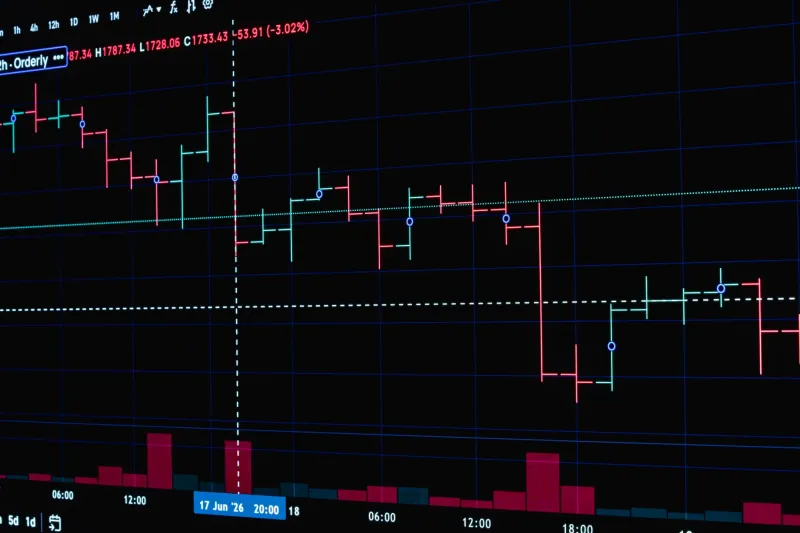
Crypto winters are not merely portfolio events. They are stress tests that run simultaneously through every operator in the betting ecosystem, and the results are rarely visible until withdrawals slow or limits tighten. For US bettors, who already navigate a fragmented and uncertain regulatory environment, understanding how a downturn transmits through a sportsbook's balance sheet is not optional sophistication — it is basic due diligence.
The Transmission Mechanism
A sharp Bitcoin decline hits crypto sportsbooks through three channels at once. First, treasury value: many operators hold working capital in volatile assets, meaning their effective reserves fall precisely when bettor anxiety — and therefore withdrawal demand — rises. Second, liquidity: market makers and liquidity providers who hedge exposure in crypto pull back during volatility, thinning odds and reducing maximum bet sizes. Third, bonus economics: deposit-matching denominated in a falling asset becomes expensive to honor, and operators quietly degrade promotional terms.
None of this appears on a homepage. All of it appears in your experience — slower payouts, thinner lines on secondary markets, customer support response times stretching from hours to days.
The Precedent Problem
History offers a consistent pattern. In prior downturns, smaller offshore operators with crypto-heavy treasuries faced insolvency or abrupt market exits, leaving US bettors with little recourse and no regulatory shield. Decentralized protocols have their own failure modes — smart contract exploits and oracle manipulation tend to cluster in volatile periods when attack economics improve. The lesson is not that crypto betting becomes unsafe in a bear market. It is that operator quality differentiates sharply, and the differences only reveal themselves under stress.
The Bettor's Downturn Checklist
Before the next major drawdown, evaluate your platform against these criteria:
- Reserve transparency: Does the operator publish proof of reserves, or at minimum disclose asset composition? A book holding mostly stablecoins is structurally more resilient than one holding its float in BTC.
- Withdrawal history under stress: Review community reports from the last major correction. Did payout times hold, or did they stretch?
- Limit behavior: Compare current max bets on major markets to six months ago. Silent limit reductions are an early warning sign.
- Regulatory posture: Operators serving US customers with clear compliance frameworks and licensing have more to lose and more accountability — a meaningful buffer when conditions deteriorate.
- Protocol audits (for decentralized platforms): Recent, reputable smart contract audits and functioning bug bounty programs matter most when volatility makes exploits profitable.
- Bonus fine print: Read current promotional terms against what was offered last year. Degradation here signals balance-sheet pressure.
Positioning Your Own Book
Bear market preparation extends beyond platform selection. Reduce exposure to any single operator before volatility arrives, not after. Consider converting betting float to stablecoins during periods of elevated market stress — you lose nothing in settlement speed and gain insulation from treasury-style drawdowns. And treat any operator's sudden generosity — outsized bonuses, relaxed limits — with the skepticism you'd apply to a distressed seller in any market.
The bettors who emerge from crypto winters intact are rarely the ones who predicted the bottom. They are the ones whose infrastructure was built to survive the descent.